




Intro
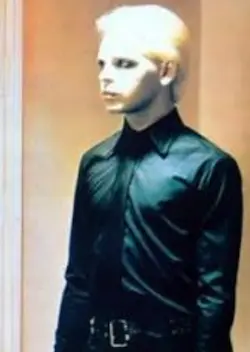
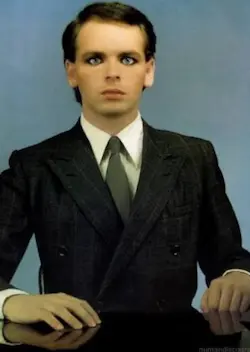
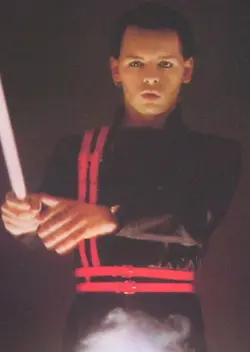
Gary Numan is one of the most influential figures in synthpop, thanks to his futuristic and uneasy synths, alongside bleak and alienating lyrics, painting dystopian atmospheres. But unlike the Human League, who started with a vision of synth-driven rock, Numan became a synthpop legend by a happy accident. A friend once read some of my Numan writeups and came away convinced I didn't like Gary's music. Quite the opposite: when I call Numan's music cold or bleak, I mean he was exceptionally good at making it feel that way."This Wreckage isn’t a defeated machine - it’s defeated Numan"
Tubeway Army Debut
Numan and the Tubeway Army were actually signed as a punk band. After writing songs in this style, Numan saw a Minimoog that a previous musician left behind, with a killer bass riff programmed. Once he played this, he was instantly enthralled by its sound, and quickly retooled the songs he wrote to play nice with this newly-acquired synth.Listen to the Sirens
Listen to the Sirens is a shining example of the process of creating Tubeway Army’s debut. The bones of Listen are decidedly punkish - it’s driven by a brisk, propulsive guitar (actually recalling songs like Anarchy in the UK). It’s buoyed by a fast, dependable rhythm section. Numan himself sounds different, going for vocal stabs and pauses over his later world-weary and atmospheric style. Also, Listen to the Sirens is almost entirely absent of Numan’s later theme of human-tech symbiosis (unless you count the sirens themselves being switched on). But still, there are the seeds of Numan’s future direction. Considering the brief turnaround amid just discovering the Minimoog, its synths integrate nicely with Listen. For instance, there’s a memorable Farfisa-sounding synth riff, as well as a subtle sustained synth note in the verses. The technology entering Numan's music was a good start, but weren’t baked into his lyrics yet.
▶
Preview Listen To The Sirens
Tubeway Army
Replicas
In their sophomore effort Replicas, Numan trusts his synths more, using them in places usually reserved for guitars (sometimes even as a chorus solo). This is also where he worldbuilds with his tracks, with Replicas being a loose concept album imagining machines assuming roles once occupied by humans.Down in the Park
In listening to Down in the Park, it’s inspired just enough by Kraftwerk: low synth notes linger long enough to create atmosphere while still tracing a melody. High-pitched countersynths sometimes provide accents, and elsewhere stand in once again for a traditional chorus. Down in the Park is an innocuous title that belies its brutality. Numan quickly reveals the park houses a squad of robots that kill by numbers, unflinchingly dispatching their victims. But then he worldbuilds around this dystopian core with seemingly mundane details. Numan bringing up nearby restaurants shows the robot carnage has become normalized, and he’s trying to find some joy in this normal. Moreover, Numan sells this well with his vocals that suggest weariness but none of the alarm you’d expect with the robot squad looming.Are Friends Electric?
Are Friends Electric? is a pivotal song for Numan, topping the UK charts after three consecutive flops. Despite Friends’ unconventional structure and demoting guitars in favor of synths, the latter sound surprisingly pop-friendly. Numan uses shorter, more distinct notes to carry a catchy melody, countered by a brief two-note riff. Like a lot of his other songs, Are Friends Electric? has Numan reacting to omnipresent technology. But this time, it involves a malfunctioning robot prostitute. And while it’s a vivid lyrical hook, the song is really the aftermath: With this void, Numan flashes back to past relationships with real people, and how they disappointed him. Not one to give up, Numan reaches out again for human companionship. But that only confirms the narrator’s belief: that robots are better companions than humans.Preview Tubeway ArmyPleasure Principle
Numan hit his stride with Replicas, topping the UK charts with this album and Are Friends Electric?. Pleased with his artistic direction, Numan took lead guitars out of the equation with the followup Pleasure Principle. This roll of the dice paid off handsomely, breaking out internationally with Cars. In line with the instrumentation, Numan even writes some songs with a machine, rather than human, point of view.Metal
Metal, along with Cars, shows the shift with Pleasure Principle. Numan perfectly brings in the synths to cover gaps from the missing guitars, making it sound like later synthpop. He also shows more versatility: one synth is similar to the one in Cars, but there’s also the electric-sounding one that’s keeping the rhythm, capped off by a swishy one in the outro. Metal is from the perspective of a newly-minted android. While it acknowledges its capabilities humans lack, it longs to be human, to experience human emotions like love. Numan is excellent in adjusting the lyrics of Metal to the android. It wants to pull its wires to achieve humanity, and asks the engineers if they were once androids themselves. And being newly created, it labels the human scientists “liquid engineers”, in contrast to its own solid, hard composition.M.E.
M.E., like Metal, is from a machine’s perspective. But in this case, humanity has ceased to exist. The M.E. shows human emotions like loneliness. But throughout, clues are dropped that M.E. played a role in humanity’s demise until this smoking gun near the end: “I turned off the pain like I turned off you all”. It hints that it regretted its decision, leading to its loneliness. The pain and pauses in Numan’s voice makes you believe all this. With M.E. being a darker, more macro track than metal, Numan adjusts the synths accordingly: He brings back the sustained synth notes from Replicas to better create the post-apocalyptic imagery. But Numan still has new tricks up his sleeve: when M.E. gets more emotional, he brings in baroque, string-like synths to give it more organic qualities. M.E., and Pleasure Principle as a whole, create a fascinating inversion: the music becomes more machine-like, while the machines become more human.Preview Gary NumanTelekon
The wildly successful Pleasure Principle was a boon to Numan, but true to his musically restless nature he wanted a pivot. His unexpected challenges after his surge in popularity gave him a different persepctive. Enter Telekon, which applies a melancholic lens to his music to that point.This Wreckage
This Wreckage could be mistaken for another Numan sci-fi track. But it’s something more: Numan takes his sonic and lyrical playbook made from his previous albums and uses them on a personal level. This wreckage isn’t a defeated machine - it’s defeated Numan. His quick rise to fame led to disappointment and burnout, and it informs many tracks on Telekon. Numan’s synth toolkit doesn’t expand with Wreckage, we’ve heard them before. For instance, the intro adapts a synth from Cars. But crucially, how they’re applied in Wreckage reflect Numan’s disillusionment: more sparse and slowed down a bit. Also, the repetitive main synth riff keeps descending rather than reaching upward, adding to the song's defeated feel. Even Numan's normally detached vocals have a more personal, vulnerable tinge.▶
Preview This Wreckage
Gary Numan
Available in the Vault
Influence
Soon after Telekon, Numan was burned out, so he retired from touring to recharge and focus on making new music. Invigorated, he came back just a year later with the album Dance, which further broadened his musical palette and confirmed his continual drive to reinvent his music. Later synthpop artists built on the electronic foundation Numan helped establish and proved it could be mainstream. Whether this was by infusing synths with shine (A-Ha) or even Zen (Howard Jones). Industrial artists like Trent Reznor (through Nine Inch Nails) borrowed from Numan’s penchant for unsettling synths, detached vocals, and dystopian worldbuilding. And it was even a 2-way street: Numan respected Nine Inch Nails and folded their industrial elements into his own music. For an artist whose career began by stumbling upon a new sound, it’s fitting that Numan never stopped absorbing new ones - or inspiring others to do the same.A new one every month.
($8/month USD) Secure checkout with Gumroad

This Week on Synth and Swagger:
Just Released: Beyond New Wave: Pet Shop Boys and Erasure - Immediate FollowersThursday: New Wave Quick Hit
Friday: Playlist of the Week