




Intro
Movies don’t just popularize songs. Sometimes they permanently rewrite them. A single scene, character or emotional moment can become so fused to a track that audiences can never hear it the same way again. During the ‘80s and beyond, new wave songs proved especially vulnerable to this phenomenon. Their cinematic synths, emotional ambiguity and strong atmospheres made them perfect for movies looking to bottle a feeling. In some cases, films amplified a song’s original meaning. In others, they hijacked it completely."Unfortunately, many tie Simple Minds to The Breakfast Club, or even just the fist pump."
Moving in Stereo (Fast Times at Ridgemont High)
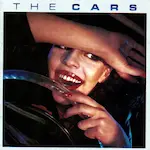
The Cars' debut album was fresh - new wave but infused with power-pop and classic-rock. Besides I’m in Touch With Your World, only Moving in Stereo was synth-prominent, foreshadowing later experimentation like in the song Panorama. The sparse, almost stream-of-consciousness vocals of Moving pushed its synth textures to the forefront. It had an eerie flair to it and rewarded listeners who bought the whole album rather than just a single.
Four years later, it was juxtaposed with a slow-motion fantasy pool scene in the raunchy teen comedy Fast Times at Ridgmont High. The scene’s memorable, sexy nature, combined with Moving in Stereo being a lesser-known album track, made that association inseparable. Many listeners who came of age in 1982 still can’t hear the opening synth pulse of Moving without mentally replaying the scene. It went from avant-garde rock to ‘80s pop culture, adolescent fantasy landmark. Indeed, many listeners who came of age after new wave encountered Moving in Stereo first as cinematic atmosphere rather than as a Cars song.

Available in the Vault
"You Killed the Clown would actually be less disturbing if the Sex Pistols did it"
Don't You (Forget About Me) (The Breakfast Club)
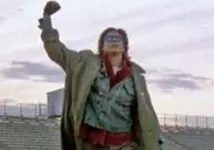
Don't You was different in that the song was written specifically for the John Hughes movie The Breakfast Club. Roxy's Bryan Ferry and Billy Idol passed on it, and the hot potato was passed to Simple Minds. Vocalist Jim Kerr scoffed at the idea, preferring to write their own material and afraid of being associated with a teen movie. But the combined forces of their manager, the record label, and even Kerr’s wife Chrissie Hynde convinced them to record it. Many Americans first heard the song not on radio, but while watching The Breakfast Club, specifically during John Bender’s march across a football field and the fist pump heard around the world.
Unfortunately, many tie Simple Minds to The Breakfast Club, or even just the fist pump. They became tied to a single cinematic moment much the way Berlin later would with Take My Breath Away and Top Gun (Moroder’s production was to thank/blame). In fact, people think of Don’t You Forget About Me as a John Hughes production, not a Simple Minds song. But the silver lining was that John Hughes gave new wave in general a shot in the arm, making it emotionally accessible to mainstream America.
Oh Yeah (Ferris Bueller's Day Off)
An interesting new wave outlier, Yello stood apart from most new wave acts by building songs from rapid-fire samples and sonic absurdity. A twisted Kraftwerk perhaps? The vocalist, Swiss Dieter Meier, was pushing forty in a realm where twenty-somethings dominated. Oh yeah (sorry), he also happened to be a multi-millionaire, a hilarious choice for a song that satirizes excess. Yello piggybacked off this with expressions of exaggerated masculinity. Oh Yeah is absurd luxury signaling, with the repeated “oh yeah” dripping with greed and backed up by the larger-than-life low-pitched synths. Already a hit, Oh Yeah achieved legendary status when tied to Ferris Bueller’s Day Off months later. And while Ferris himself eschewed material goods, the irony of Oh Yeah was lost on the moviegoing public. Scenes of Cameron’s dad’s posh house and car normalized Oh Yeah’s absurdity. And just like that, the song went from conscious buffoonery to a rallying cry for riches.Tempted (Reality Bites)
Tempted of course was released during Peak Squeeze (1981). While not a big hit at the time, it aged great. That’s largely because of its lack of synths (taboo in ‘90s rock). It's new wave, but Tempted also has a pub-rock sound infused with soul. That made Tempted a candidate for a revival, which was realized when it was featured in the Gen X classic Reality Bites. The youthful rebellion of the Hughes era gave way to nostalgic emotional realism, playing to Squeeze’s strength. In fact, the hits station Z100 in my hometown New York gave it a lot of radioplay in the mid '90s, making many of my high school friends think it was a new adult contemporary song. In the movie, textbook Gen-Xer Winona Ryder is tempted by the fruit of another life, as she has an opportunity to give her documentary wide release. Unexpectedly, Reality Bites helped turn new wave into emotional comfort food for 20-something Gen-Xers.⇩ Depeche Mode Song Commentaries
Mad World (Donnie Darko)
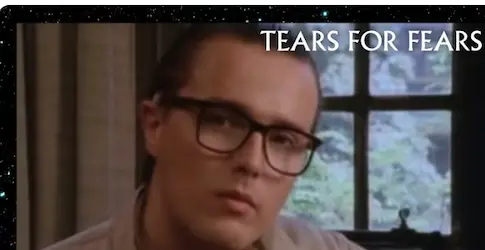
Mad World had a similar path to Tempted in that it wasn’t a hit but its popularity kept growing through the years. Tears for Fears went through a psychological evolution that started with Mad World. In it, Curt Smith anxiously sings about all the dark things happening around him in the world. Mad World had a more outward, societal focus, with Smith’s anxiety actually describing the public’s macro unease. He feels it’s his duty to say what’s on everyone’s mind.
Its potential to also flesh out one's insanity made it a great fit for 2001’s Donnie Darko. In it, Jake Gyllenhaal’s character is plagued by visions of an evil rabbit that goads him into multiple murder. Gary Jules covers Mad World for this, and its inclusion in Donnie Darko makes it an inward song. Also, the tone shifts from anxiety to existential doom and emotional devastation. Proving its evergreen status, Lorde again gave it an outward spin in 2014’s Hunger Games: Mockingjay, as a lament against total war.
Love My Way (Call Me By Your Name)
In the early ‘80s the Psychedelic Furs started to veer from the doom and gloom of other post-punk outfits like Joy Division and the Cure. Love My Way was a strong example of this. On the surface it seemed it was about someone declaring his love for someone, one of the oldest topics around. And Butler’s wavering vocals gave it an air of melancholy, like the love was unrequited. Its heavy rotation on MTV heavily played into that. But vocalist Richard Butler said it was about having the right to pursue love no matter your sexual orientation or other factors. Over thirty years later, it anchors a pivotal dance sequence in Call Me By Your Name, draining the melancholy in favor of carefree joy and youthful liberation. Once that was out of thew way, the movie reframed the song into something explicitly tied to queer identity and self-acceptance. What Butler intended all along. While younger viewers enjoyed these themes, older viewers also saw the song in a brand new light. Or is it the original light?