





Intro
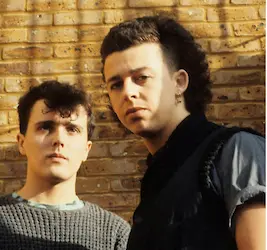
With the rise of progressive rock in the early ‘70s came the concept album—think The Wall or The Lamb Lies Down on Broadway - where bands used the full album format to tell a cohesive story or explore a psychological arc. New wave, by contrast, rarely went that route. There were exceptions, like Adam Ant disparaging the British media on Friend or Foe. But like many other rock genres, it was shaped by a singles-driven market, favoring punch over progression. But Tears for Fears quietly pulled off something just as ambitious: a four-album emotional journey. Across The Hurting, Songs from the Big Chair, The Seeds of Love, and Elemental, they move through trauma, catharsis, healing, and closure. Join me (or really, Orzabal and Smith) as we follow the path from pain to peace—one immaculate track at a time."I Believe is the logical follow-up to Shout: once you let out the venom, you pause to reflect and see how you can start the healing."
Trauma (The Hurting)
Tears for Fears' debut was a raw, vulnerable concept album in itself, steeped in childhood trauma and emotional repression. Influenced by primal therapy, the album channels inner pain through stark synths and bleak lyrics. It’s a confessional cry for help, capturing the fragility of youth and setting the stage for the emotional evolution that would follow.
Mad World
Tears For Fears’ first single ever literally deals with the tears and fears of the world around them, which makes a great intro for them. In Mad World, Curt Smith paints a vivid picture of macro emotional and existential dread, and in response he wants to go in his room to hide from it. There’s also a bit about the singer’s unhappy childhood, hinting Tears for Fears is not afraid to go there later in the album. The instrumentation is more sparse than other tracks In The Hurting: this is to not let you escape into the melody. An eerie keyboard loop adds to the anxiety. It qualifies as a traumatic song as it paints emotional numbness as the norm. And while it was not a hit in the United States, its inclusion in the Donnie Darko soundtrack in 2003 gave it a jolt and established it as a new wave classic. In summary, this is the official theme song for spiraling.
Suffer the Children
Tears for Fears’ first demo ever was Suffer the Children. The biblical phrase “suffer the little children” means you should permit children to embrace Jesus. But Tears for Fears darkly twists it in the context of child neglect. Roland Orzabal had a distant relationship with his father, and he directly channels this in Suffer the Children. In it, he’s speaking to an absentee father. Lyrics like: “he knows in his heart you won’t be home soon” vividly show the trauma of neglect the child is suffering. But while he’s pretty critical of him, Orzabal also implores the dad to sometimes pick his kid up (physically and emotionally). The melody is higher-pitched and more gentle to supplement the silver-lining aspect of the lyrics, and is confirmed by the children’s chorus in the bridge. Honorable Mention
- Change: A tense, circular meditation on instability and emotional inconsistency, capturing the anxiety of living in survival mode.
- Ideas as Opiates: A stark, minimal track that critiques belief systems as coping mechanisms—offering numbness in place of truth.
 Preview Tears for Fears
Catharsis (Songs From the Big Chair)
After laying bare their trauma, Tears for Fears return with a louder, more assertive voice. Songs from the Big Chair leans into catharsis—venting frustration, demanding connection, and striving for release. The production is bigger, the emotions more outward. It’s the sound of breaking free from the past, with arena-ready anthems that invite collective healing.
Shout
Orzabal and Smith had a lot of pent up pain and frustration that was unleashed in The Hurting. And two years later, for their sophomore album Songs From the Big Chair, their lead single is about catharsis in Shout. It’s a clarion call to primal scream therapy. Indeed, Orzabal is asking all of you to viscerally express your anger and anxiety verbally. The “I’m Talking to You” line shows that it’s vital to have a sounding board when you do this venting. This is reinforced in its video - The band sings in an isolated setting, but then they come into a room to be joined by dozens of people for the shouting. The sing-along chorus (when my two children were toddlers they loved it) guarantees you receive the message clear as a bell.
I Believe
For I Believe, Smith trades the catchiness of Shout for minimalism. But it also has the effect of allowing us to focus on the lyrics (through process of elimination). The sparse jazz instrumentation that’s there, like the sad trumpet solos, evoke loneliness and even quiet mourning. While Shout relies on you using others to help you conquer your demons, I Believe has a more internal focus and emphasis on personal reflection. Therapy is implied through affirmations like “You will not resign yourself to your fate” and “When the hurting and the pain has gone we will be strong”. I Believe is the logical follow-up to Shout in this emotional arc: once you let out the venom, you pause to reflect and see how you can start the healing.
Honorable Mention
- The Working Hour: Brimming with existential fatigue, it vents frustration at adulthood’s compromises with a sax-laced emotional release.
- Listen: The ambient closer acts as a meditative exhale after the storm—suggesting that silence itself can be cathartic.
Preview Tears for Fears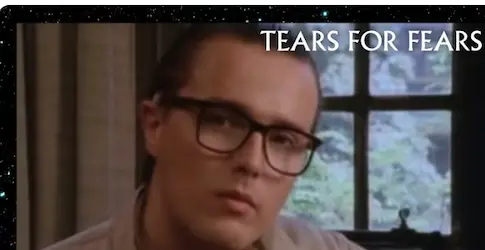
Healing (The Seeds of Love)
Now that therapy is done and there were four years to process it, it’s time to sow the seeds of love. In other words, reach out to others now that you are in the shape to do so. Tears for Fears taps their love for the Beatles to help drive this message, which is evident in the production, textures, even the social optimism.
Sowing the Seeds of Love
This is one of my favorite Tears for Fears tracks, but for a while I mistakenly thought it was a call to find the love of your life and be happy ever after, thanks to the title, melody, and upbeat vocals (by Orzabal standards). It’s actually a wakeup call to us to make the world a better place through channeling the good in actions and protest. Through this action, you can help make “an end to need and the politics of greed”. I see it like this: the therapy in Big Chair set the groundwork for you to heal by helping others. There’s definitely some negativity in the song but it’s used to light a fire under you. Tears for Fears is relentless with the affirmation of the song title to encourage you. Orzabal’s vocals are equal parts urgent and triumphant. This is buttressed by the Beatles-pastiche - it reminds me of the McCartney-written Penny Lane, with its technicolor optimism and grandeur. If you’re going to heal, go big or go home!
Advice for the Young at Heart
While Seeds of Love asked us to improve the world, Advice for the Young at Heart asks the listener to harvest that love. Tears for Fears were light on the love songs, but Head Over Heels proved they could pull that off well too. Advice is a good follow-up to that. There is a lot of emphasis on self-expression (“too many people living in a secret world”, “happy in our make-believe“). The warm, waltz-like groove and glowing chorus harmonies add to the embracing tone. This soft sincerity contrasts with the band’s earlier emotional rawness. It contrasts with Sowing the Seeds in that instead of pomp and circumstance, it presents healing as being gentle and based on little gestures that add up. And all this would not have been possible without the therapy courtesy of Songs From the Big Chair.
Honorable mention
- Year of the Knife: A turbulent track that wrestles with inner conflict but ultimately pushes toward resolution through sheer sonic force.
- Famous Last Words: Gentle and elegiac, it offers closure and forgiveness, ending the album on a note of grace and acceptance.
Preview Tears for FearsClosure (Elemental)
In supporting Seeds of Love, tensions grew between Orzabal and Smith, with Smith leaving soon after. And while Elemental is a lot about this breakup, it also works as a reinforcer of the theme of closure and going solo emotionally. The clean production, and bright tempos are a departure for Tears, helping with the narrative of moving on.
Break it Down Again
At the surface, this song is about flipping the metaphorical Monopoly board and walking away. But this song is actually encouraging you to do this for the sake of having closure and moving on (the “beauty of decay”). Lines like “you have been sitting on a time bomb” represent dwelling on the past. In response, Orzabal is offering to “show you something new about you and your inner song”. When I first heard this song I was struck by the anxious anticipation that the intro stirred up inside of me. I must also mention the upbeat, almost poppy tempo - letting you know early on that this “breakdown” feels liberating rather than despairing. And it makes sense, as this being Orzabal’s first single without Curt Smith, illustrates personal and artistic closure.
Goodnight Song
Tears for Fears reinforce the idea of moving on with its album closer, the appropriately-titled Goodnight Song. Orzabal uses a weary rock band as a metaphor for this. The lyrics “time nay keep alive that old swan song” and “sounds we are making are so uninspired” show that personal growth is sometimes stunted by not moving on. Orzabal also warns you to be wary of enablers that in the short-term provide a boost, but ultimately keep you stuck. The line “blame the crowd, they scream so loud, so long” does this. Its gentle fadeout is a kind of curtain close - vocals less sharp, more resigned, and a perfect way to close the door on the four-album emotional arc. And at first personal fatigue defines the song, but by its end its a content, universal parting. Honorable Mention
- Cold: A sharp, emotionally detached reckoning with past relationships and fame, marking the shift from hurt to boundaries.
- Fish Out of Water: Orzabal airs his grievances with Smith to forge ahead in his own direction.
Preview Tears for FearsAvailable in the Vault
Outro
Few artists have mapped personal growth as clearly and powerfully as Tears for Fears did across their first four albums. From the raw vulnerability of The Hurting to the reflective grace of Elemental, each record captures a distinct emotional phase: trauma, catharsis, healing, and closure - with honesty and craft. This wasn’t just pop music with synths; it was therapy set to melody, transformation encoded in rhythm. As listeners, we’re invited to grow alongside them—to scream, to mend, to reach out, and finally, to let go. You start in a bedroom crying alone - and end with the lights dimmed, walking calmly offstage.
A new one every month.
($8/month USD) Secure checkout with Gumroad

This Week on Synth and Swagger:
Artist Spotlight: Do the Bangles JangleOceania New Wave Song Commentaries (3 free, 6 vault)
Coming Thursday - New Wave Quick Hit