




Intro
With the Winter Solstice right in the rear-view mirror, and at least two more months of cold for much of the Northern Hemisphere, it’s time to discuss winter songs! Don’t worry: Christmas songs are excluded. Winter, being a force of nature, tends to resist literal storytelling compared to the usual romance or political fare. But the potential for vivid imagery and inducing mood is big. And while synthpopper Gary Numan is winter personified, he actually never wrote about it. But here are some new wave winter tracks across moods…
(for my Southern Hemisphere readers, here's a great batch of summer songs).
"Boomtown Rats' Wind Chill Factor offers sub-zero temperatures as a metaphor for the claustrophobia and isolation in London and other big cities."
Upbeat and Shivering
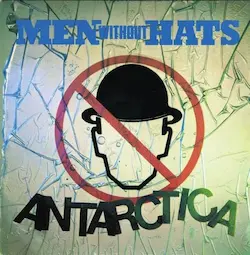
Men Without Hats - Antarctica (Breathless)
Like most tracks on Men Without Hats' debut Rhythm Of Youth, Antarctica goes at a brisk pace. The high-pitched, simple call-and-response synths add a sense of energy and urgency, as opposed to the rich sway of Safety Dance's synths. The rhythm is constant and the synths repeat a lot, thus not giving you an opportunity to catch your breath. And while vocalist Doroschuk’s voice commands by default, like in Safety Dance, he dials it up even more with Antarctica. He shouts most of the lyrics, like he’s warning you to keep dancing to the insistent synths or you’ll freeze. The highlight is his delivery of “Antarctica” which devolves to a scream. The lyrics are not profound but do their job in reinforcing the song’s persistency with references to Antarctica (and the Ice Age) coming to your town. With a lot of new wave in the early ‘80s favoring motion over reflection, Antarctica fits in well.
Available in the Vault ⇩ Men Without Hats Song Commentaries


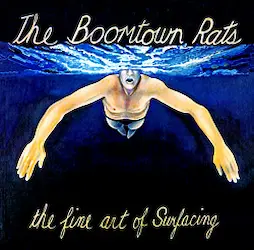
Boomtown Rats - Wind Chill Factor Minus Zero (Hostile)
Boomtown Rats' Wind Chill Factor Minus Zero is more literal of a winter track, making many references to freezing in the cold. On a frigid Chicago winter morning, this is my jam! But it also offers sub-zero temperatures as a metaphor for the claustrophobia and isolation in London and other big cities. Geldof referencing the London Underground is no mistake - it’s cramped down there, and the second he leaves it he’s “gasping for air”. He stumbles through the rest of the day suffering from the cold (city doldrums), until he wants to throw in the towel and hibernate. But I don’t think he will thanks to the song’s upbeat melody and Geldof’s sense of humor in the face of absurdity. This follows a lot of other Rats songs (including Rat Trap) that paint great tales of struggle and survival.
They would later repeat the winter motif with A Storm Breaks, featuring the deranged, shouting mantra “Ice cold!”.

Downbeat and Huddling
Arcadia - Lady Ice (Glacial)
Duran Duran has delivered some literally chilly tracks, dating back to 1986’s Winter Marches On. But it all started with their side project Arcadia in Lady Ice. This show-stopper closes out the moody, avant-garde B-side of So Red the Rose. Like Men Without Hats’ Antarctica, high-pitched synths give the impression of cold and snow. But the similarities end there. Rhodes’ synths are appropriately icy and menacing without overpowering the song. LeBon stretches his notes much longer than usual, in time with the seven-plus minute song and adding suspense. The choruses end with a synth stabs like the intro of the then-recent View to a Kill, but invoke drama and anticipation rather than Bond-style action. The result is a larger-than-life song that recalls great action/suspense movies of the ‘80s. And if Duran Duran didn’t risk chart status to break free from the pop mold (via Arcadia and Power Station), Lady Ice and perhaps their later winter tracks would not have existed.
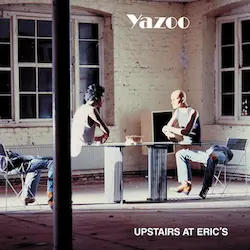
Yaz - Winter Kills (Desolate)
Yaz delivers the starkest winter statement in new wave with Winter Kills. Alison Moyet is known for her powerful contralto. But she goes the lowest (of any Yaz or Erasure track) and restrains her vocals with Winter Kills. Vince Clarke also pulls a switcheroo, eschewing his usually bright, galloping synths for sparse chilly piano notes and ponderous drum hits. Even Winter Kill’s lyrics are stripped down like a bare forest, letting the sonics effectively provide the desired atmosphere. As I listen to it, I feel like time is slowing to a glacial pace. Indeed, Winter Kills imposes stasis on the listener, and because of its unwavering nature, Clarke correctly caps it at about 4 minutes (only the 4th longest out of 11 tracks on Upstairs At Eric’s). It’s an excellent counterpoint to the upbeat and galloping flow of most of the other songs. And it’s a perfect lull before the frenetic album closer Bring Your Love Down.
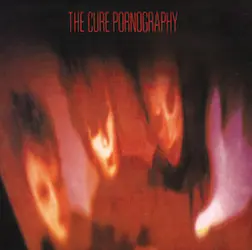
The Cure - Cold (Predatory)
For a macabre, goth wintry song, look no further than the Cure's Cold. It’s like an evil twin of Lady Ice: Arcadia froze the room with Lady Ice, but with Cold the freeze ray is turned on you. The menacing synths and heavy drum hits create a nightmare atmosphere. Robert Smith responds in kind with his vocals. Like in A Forest, the Cure snares you in a loop with Cold. But instead of resignation and futility, Cold goes for doom and attack. With it I see winter as a demon coming after me, rather than a force of nature. The sonic landscape painted by 1982’s Cold foreshadows the heights of Oingo's Danny Elfman’s soundtrack work later in the ‘80s and ‘90s, with both painting a grotesque atmosphere, and invoking fear through theatrical menace. Cold, and others on the album Pornography were instrumental in nurturing the goth substyle, and it’s easy to hear why.
Simple Minds - Rivers of Ice (Reflective)
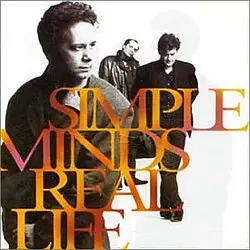
Simple Minds had a solid summer track in Someone Somewhere - and years later they flipped the script with the reflective Rivers of Ice. Rivers reminds me of a mellower Achtung Baby, with both having early '90s production, their penchant for long, reflective sonic spaces, and the synths and guitars playing nicely off each other. Somewhere Sometime started melancholy but transformed into a pep talk thanks to shimmering synths and Jim Kerr’s encouraging vocals. For Rivers of Ice Kerr opts for a wistful vocal approach and the long guitar and synth notes encourage you to pause and think. The lyrics vividly call up peaceful images of nature, including soaring eagles, sunsets, and of course a river of ice. It all reminds me of standing outside on a calm winter day, thinking about the past while rebooting for the spring ahead. The opposite of Cold, Rivers of Ice is a quiet, not catastrophic, winter.Coda
The Bangles - Hazy Shade of Winter (Thaw)
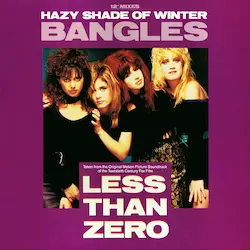
The Bangles, who were influenced by LA folk rock, looked cross-country to my native Queens to update the Simon and Garfunkel hit Hazy Shade of Winter in 1987, giving it more, eh, manic energy. Because of the Salvation Army Van reference, it seems like the song focuses on the weeks leading up to Christmas. But with references to “patch of snow on the ground,” brown leaves, and high grass, it becomes clear the song is about the passage of seasons. The lyrics “Hang on to your hopes, my friend… if your hopes should pass away, simply pretend that you can build them again.” state that no rough patch is permanent, and to keep on trucking. For me, while the holiday season is festive, I get tired of winter right at January 2. But Hazy Shade shows that, despite the winter gloom that the Cure and even Vince Clarke offer you, the long nights and cold temperatures will eventually cede their grip to better weather and new beginnings.
Outro
Winter rarely announces when it’s over. You just notice the days stretching a little longer, the cold loosening its grip, and movement returning. New wave understood this better than most genres, treating winter not as spectacle but as a condition to endure: sometimes with urgency, sometimes with resignation. And while these songs linger in frost and shadow, they also hint at what comes next. Because no matter how absolute winter feels, it never lasts forever.
A new one every month.
($8/month USD) Secure checkout with Gumroad

This Week on Synth and Swagger:
Artist Spotlight: Do the Bangles JangleOceania New Wave Song Commentaries (3 free, 6 vault)
Coming Thursday - New Wave Quick Hit