




Intro
In the US, Madness is known chiefly for their only top-10 hit in Our House. But in the UK they had an epic run of 15 such hits. Madness was part of the ska revival - a small cluster of British new wavers. And while this style was heavy on socio-political commentary (think the Specials), Madness distinguished themselves with their carefully curated brand of nuttiness. Sometimes, though, they stripped it back, revealing they had important things to say.One Step Beyond, which commercials used for enhancing craziness. In fact, I first learned of it watching one where a man was chasing a duck in his underwear.
Sometimes You Feel Like a Nut...
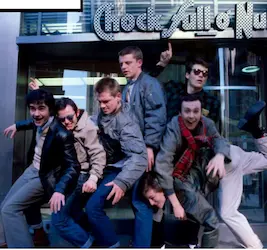
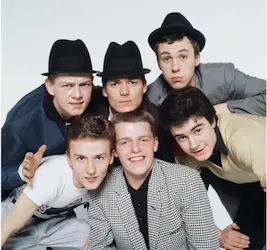
Madness created a strong brand of nuttiness through their funny promo poses, and it was backed up nicely by a lot of their music. Case in point: the call-and-response frenzy of One Step Beyond, which commercials happily used for enhancing craziness. In fact, I first learned of One Step as a teenager watching a commercial where a man was chasing a duck in his underwear. But there were other manic ones…Night Boat to Cairo
Now, a “night boat” is usually the stuff of mystery or dread - something Duran Duran leaned into with their slow-burning take on it. But Madness, in their own debut, go the opposite direction. Their Night Boat turns the same premise into a full-blown party, kicked off immediately with a booming foghorn. Their ska rhythm section goes full throttle and is laid onto a faux-Egyptian melody that borders on caricature. Lee Thompson's saxophone is prominent and shares the dirtiness of album-mate One Step Beyond. Other sound effects pile on the chaos. And while mostly instrumental, vocalist Suggs sneaks in his nutty lyrical touches, like saying that the boatman “Just pokes at wet sand with an oar in his hand”. The lack of musical and lyrical structure leads to a lot of momentum but no destination. But that's part of the joke: it's truly a travel fantasy gone off the rails.
▶
Preview Night Boat to Cairo
Madness
Baggy Trousers
Baggy Trousers, off Madness' sophomore album, is an intense sonic workout, starting in nutty fashion with a cowbell standing in for a school bell. Then Trousers never takes its foot off the gas in its nearly three-minute runtime. Madness’ ska style means syncopated beats, which help them keep up the frantic pace. Suggs’ fast vocals seem even more so because of the lack of pauses and steady register. Thompson strikes again with his sax, giving a solo in the bridge that's exuberant and hyper, just like a schoolyard of kids. Baggy Trousers is deceptively a nostalgic song, which is typically slower and calmer. Suggs’ character is reminicsing about his primary school days, but in a hyper-real fashion. He rattles off slightly exaggerated things as if it was typical, such as “pulling hair and eating dirt”. The chaos of Baggy isn’t just energy for the sake of it - it’s how childhoods are remembered: compressed, exaggerated, and relentless.▶
Preview Baggy Trousers
Madness
House of Fun
Despite similar titles, House of Fun is a more manic and subversive beast than Our House. The lyrics are quite suggestive - for instance, “I’ve come of age” and “welcome to the lion’s den”. With Suggs' character being nervous, it sounds like a teenager trying to sow his wild oats with a prostitute. But the “lion’s den” turns out to be far less dangerous - and far more awkward. The House of Fun is a drugstore where he’s trying to buy a box of balloons - a goofy euphemism for condoms. The “chemist”, or pharmacist, returns the awkwardness and it spirals from there. Like the teenager's confused state of thought, Suggs provides and delivers lyrics that are scrambled. This comedy of errors, combined with the quick tempo shifts, Suggs' clipped vocals and off-kilter keyboard riffs, create a twisted funhouse atmosphere, revealing the meaning of the title. Madness doesn’t just describe the awkwardness - they recreate it.▶
Preview House Of Fun
Madness
... Sometimes You Don't
Madness didn’t need the chaos to land their point, In fact, they were sometimes stronger without it, thereby adding to their versatility. But these songs also proved they had strong messages across the board, spurring listeners to appreciate the nutty songs on another level.Embarrassment
Madness eschew their nuttiness in Embarrassment. A far cry from Baggy Trousers, it details a family member being disowned by his parents for being in an interracial relationship. Saxophone stabs add drama just as Suggs declares to someone that they’re an embarrassment. He then does a brutally detailed role call of the family members who are disgusted by this relationship. For example, his uncle thinks the "transgression" makes them a "disgrace to the human race". Madness trade their usual syncopated ska rhythm for a more mod-sound like the Jam. This serves to slow the tempo to indicate seriousness. The sonic switch also deftly reflects the tonal switch of Embarassment, allowing the user to take notice and appreciate it. Suggs is careful not to oversell Embarrassment, so his vocals don't have disgust. But he relaxes them to respect the gravity of the song. And the saxophone solo in the bridge, while lively, is restrained compared to the manic Baggy Trousers. There’s no exaggeration or humor to hide behind here - the discomfort is direct.▶
Preview Embarrassment
Madness
Grey Day
Grey Day is one of the more downbeat numbers by Madness, providing variety on their third album 7. The ominious 4-note bell establishes Grey's tone right out of the gate. Its ska beat is slowed down, and the horns keep the rhythm rather than stab. It’s a walkthrough of a long agonizing day Suggs is having. Nothing catastrophic, but everything just drags. Suggs' purposely withholds specifics on his Grey Day, making the listener focus on the general dreary, tired vibe instead of any specific point. And like the topic and instrumentation, Grey Day clocks in at over 3 1/2 minutes (an eternity by Madness standards). And any situation can be made worse by the weather stinking on top of it! To better sell it, Suggs puts weariness in his vocals. All this makes Grey Day sonically close to Specials tracks like Ghost Town. The key distinction though is that on even non-nutty tracks like this, Madness will go personal, rather than sociopolitical.▶
Preview Grey Day
Madness
Our House
The only Madness song most Americans know, Our House once again opt for a traditional rock rhythm, rather than ska. The horns still give the song some ska leanings. The punchy (but not stabbing) horns and sweeping, rising violin flourishes recall the McCartney side of the Beatles coin. Kind of like an '80s Penny Lane. Keeping in line with the music, Suggs sings warmer and smoother on Our House than usual - resembling Chris Difford's vocals (of Squeeze). Those more familiar with the acidic sarcasm of other ska revivalists can lower their shields: Our House is unapologetically warm nostalgia. It also shows that no-nut Madness can go in a different direction than the melancholy Grey Day and Embarrassment. Suggs speaks of mundane domestic activities, like mother being tired and father wearing his Sunday best. Nothing special there. But the special sauce lies in how it's delivered - with the razor-sharp selection and detail that remind us of Squeeze (like with Pulling Mussels).▶
Preview Our House
Madness

Available in the Vault
Outro
Madness built their reputation on chaos - but that was only half the story. As these songs show, they could just as easily strip things down, trading exaggeration for empathy and detail. Whether sprinting through schoolyard anarchy or lingering in quieter, more personal moments, they always kept their focus on everyday life. That balance is what sets them apart: not just how nutty they could be, but how deliberately they chose when not to be.A new one every month.
($8/month USD) Secure checkout with Gumroad

This Week on Synth and Swagger:
Artist Spotlight: Do the Bangles JangleOceania New Wave Song Commentaries (3 free, 6 vault)
Coming Thursday - New Wave Quick Hit