






Intro
Music reflects the situations and struggles that we’re all facing. In these particularly trying times, four new wave artists released albums that capture it. While Tears for Fears coincidentally created a four-album concept arc, the four albums I’ll discuss unknowingly form an arc of their own.
"Squeeze describes the clientele as 'all the sort of people who carry something lethal'"
Entrapment (Squeeze's Trixies)
Trixie’s is a concept album about a nightclub and SqueezeSqueeze do an excellent job selling its sleaziness through lyrics, music and vocals. But there’s also a strong current of entrapment.
Trixies Pt 2
Trixies Part 2 kicks off with a sleazy saxophone intro that instantly establishes the club as a nexus of despair. And Difford, master of the vignette, rapid-fires them here to prove it. For instance, he describes the clientele as “all the sort of people who carry something lethal”. Tilbrook and the rest of the band deliver these keenly - the vocals and melody don’t give you a chance to breathe, trapping you in a loop. The capper is the chorus lyric “Trixie’s is a gas… Trixie’s is alright”. It reveals that most of the patrons are used to this malaise, and will keep coming at their own peril.
The Dancer
If Trixies Part 2 is the forest, The Dancer is one of the trees. The sustained, gothic organ riffs, and a melody that purposely goes nowhere, create a claustrophobic backdrop that set up the story nicely of a burlesque dancer at Trixie’s. The customers pay no attention to her singing talent, but eagerly ogle and grope her once her clothes come off. She clenches her fist, showing she hates the transactional situation but it’s her only opening of resistance. Tilbrook yielding the vocal reins to Difford for Dancer is a smart move - he can deliver the ominous creep (shown in Here Comes That Feeling and later perfected with Short Break).
But even in the middle of that fog, something starts to shift: you don’t just feel it anymore. You start to make sense of it.
 Preview Squeeze
⇩ Song Commentaries Available in the Vault

Survival (Billy Idol's Dream Into It)
Billy Idol was recording Dream Into It whilst involved making the documentary Billy Idol Should Be Dead. And the survival theme of the doc definitely bleeds into the album.
Too Much Fun
Too Much Fun is great fan service, cleverly referencing his misadventures (e.g. “did GHB with GBH… then smoked some H”). He weaves in previous song titles, like “I’ve had that fatal charm ever since I was young”. With these lyrics and nostalgic but upbeat vocals, he’s clearly taking pride in his excesses, supported by Steve Steven’s fast, hard guitar work and triumphant solo. But importantly, he’s acknowledging they almost killed him, an example being “pick your poison, so I drank every one”. This creates tension that gets resolved with Still Dancing.
Still Dancing
With the table set with Too Much Fun, Idol dials back the references with Still Dancing (but “smashing up hotel rooms” is a standout). But the “LA to Tokyo” line, referencing hits LA Women and Dancing With Myself, mentions successes along the way. These helped him survive his chaos, and eventually gave him control. His bravado is now complemented with self-assurance and stability. Idol’s vocals and Steven’s guitar employ their familiar playbook of restrained tension in the verses, to have it all explode in the chorus. This puts the focus not just Idol’s mere survival, but authorship in his own life. He’s no longer reacting; he’s directing.
But survival has a ceiling. At some point, staying afloat turns into something else—the need to push back.
Preview Billy IdolCatharsis (Joe Jackson's Hope and Fury)
The cover of Hope and Fury suggests something cold: Joe Jackson sipping tea while chaos burns behind him, almost Nero-like in his detachment. But the music tells a different story. This isn’t indifference, but rather release. Not the fire itself, but what comes after it. A kind of emotional reset that clears the way for hope.
I'm Not Sorry
I’m Not Sorry, taken with the album cover, have some asking: has Jackson’s Angry Man persona mutated into acerbic nihilism? But dig deeper and Jackson’s venting with a purpose: it’s catharsis. And he’s also absolving us of guilt for macro issues that we didn’t have a hand in. Toward song’s end, “Don’t pass the matches when someone’s burning a witch” is Jackson urging listeners to ditch scapegoat mentality of social media and other outlets. Beneath Jackson’s bite, he really does care. It’s not just Jackson pushing back - it’s a release valve for anyone tired of carrying blame for forces beyond their control.
Made God Laugh
At first blush, Made God Laugh sounds mean, with Jackson saying that He laughs at your plans. He then lists ways that nothing in life is permanent. But the gentle rhythm suggests there might be heart behind it. And Jackson’s sympathetic delivery of “Come on, you know it’s true” shows the song’s not a putdown, but rather he cares and wants the listener to come around. The song strips away the illusion that life is negotiable - there are no guarantees, only responses. Jackson wants you to keep an even keel and roll with the punches. That paves the way nicely for hope.
And once you’ve said what needed to be said - once the pressure’s gone - there’s a question left: what now?
Preview Joe JacksonHope (Men Without Hats' On the Moon
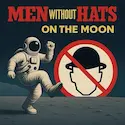
Men Without Hats' latest, On the Moon, offers rays of sunshine throughout. Of course, I Love the ‘80s is giddy pop. But it’s earned - there’s darkness in the other tracks that then offer a path to hope.
If You Try
In its verses, If You Try has Ivan Doroschuk stating the downturn in society’s mood, with an emphasis on gaslighting (a nod to social media and AI?). But Men Without Hats channel their influence ABBA through Ivan’s dramatic mid-word vocal turns and the brightly lush synths. This hints at optimism. At the chorus. an orchestral hit and a sudden shift to his declarative vocal style quickly lift the mood. Doroschuk then delivers the thesis: hope doesn’t fall on one’s lap. Actions - in this case having fun and showing love - are the best way to thrive despite an environment that tries to pull you down.
Love Me Tomorrow
On the surface, Love Me Tomorrow involves Ivan giving a romantic interest space so that she can heal and become emotionally available for love. But the references to the challenging times in the world suggest that Ivan’s character represents society. The relationship becomes a stand-in for a fractured world: he’s not fixing it, but creating the conditions for reconnection. He’s giving us permission not be happy about the world, but also offers validation and a path to feel love again. The climbing synths sound hopeful and help Doroschuk get his message across.
Preview Men Without HatsAvailable in the Vault ⇩ Song Commentaries


Outro
These albums weren’t designed to fit together - but they do. From the closed loops of Trixie’s to the hard-won perspective of Dream Into It, through the clearing fire of Hope and Fury and into the cautious optimism of On the Moon, they trace a path that feels familiar. Not a clean resolution, but a way forward - one built on understanding, release, and the decision to keep going anyway.
A new one every month.
($8/month USD) Secure checkout with Gumroad

Coming This Week on Synth and Swagger:
Tuesday: Bands Masquerading as Other BandsWednesday: Halloween Song Commentaries (2 free, 6 vault)