




Intro
New wave produced so many memorable covers that one article could never contain them. A few months ago I rounded up five of the most surprising reinventions in Part 1. But there are still plenty of gems left on the cutting-room floor. So here’s Part 2: five more songs that ’80s artists didn’t just cover, but completely transformed, turning familiar melodies into something sharper, stranger, and unmistakenly new wave.
“While in the original, a Supremes vocalist is pleading with her lover to change his neglectful colors, Kim Wilde has already had enough."
Money (Flying Lizards vs Barrett Strong)
I didn’t think I’d find a more dadaist cover than Devo's Working in a Coalmine and Satisfaction. But the Flying Lizards’ cover of the R&B staple Money (sung by Barrett Strong) one-ups both of those! Let’s start with the original: Strong, in the typical Motown fashion, delivers highly emotional vocals complemented nicely by female backup singers. As it’s a bit earlier than soul and Motown, its more raw - leaning a little more on sharp guitar riffs and stomping drums. By song’s end, you’re sold that this guy, and the rest of us, desperately need money.
The Flying Lizards turned that all on its head with their version. While Mark Mothersbaugh of Devo sounded detached, the vocals are dynamic. With Money, vocalist Deborah Evans-Stickland speaks all the lyrics in a monotone manner, with an old-time radio filter (like Trevor Horn on Video Killed the Radio Star). Except for a greatly simplified version of the original song’s melody, the “instrumentation” is basically a clattering percussive skeleton. And even more cool: It was a top-ten hit in the UK and Canada, and even managed to bubble under at #50 in the play-it-safe United States. And it certainly had more staying power, earning a slot in Adam Sandler’s ‘80s homage The Wedding Singer almost 20 years later.

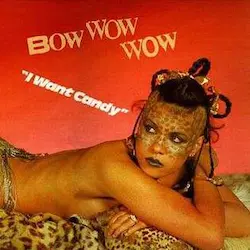
I Want Candy (Bow Wow Wow vs the Strangeloves)
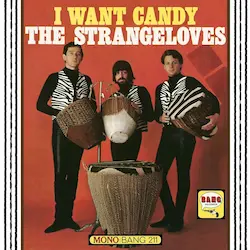
I had a misconception of the Strangeloves - I thought they were a late ‘50s American band. But they were actually a manufactured band of Australians with a bizarre fictional backstory - they were Jedi-level sheep breeders who dressed like Tarzan and used African drums. So Bow Wow Wow (the disciple of the Burundi Beat) deciding to cover this was far less of a stretch than I thought.
The original version is catchy with a toned-down tribal beat, complete with enthusiastic vocals with a cheerful, oldies-style “hey” sprinkled here and there. It reminds me of a halfway-zone between ‘60s hits I’m a Believer (the feel-good) and Witch Doctor (the oddball).
Ironically, Bow Wow Wow dial back the Burundi Beat in their rendition of I Want Candy, letting their guitars do the heavy lifting. I wonder if this was done to differentiate it more from the original, because it was a lead single and they wanted to play it safe. Or maybe they were eschewing the Burundi Beat as it was becoming “played-out” (?php savedItem("adam-ant-vs-media", "", "Adam Ant"); ?> himself swapped Burundi drums for mariachi horns around that time). That being said, Bow Wow Wow’s take is tighter, more explosive, and far more confident than the original, driven by Matthew Ashman’s razor-sharp guitar and Annabella Lwin’s swaggering vocal. Lwin doesn’t sound like she wants candy - she sounds like she expects it, which is a massive shift from the original’s bubblegum flirtiness.
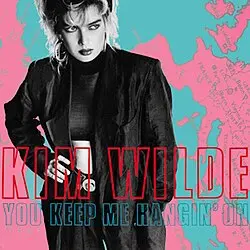
You Keep Me Hanging On (Kim Wilde vs the Supremes)
Kim Wilde was part of the new wave scene as early as 1981. But like Annie Lennox on Eurythmics' debut album, Wilde was still figuring out how expressive her voice could be. Fortunately both found their groove. And while Lennox went deep and soulful, Wilde turned brighter and more crystalline, with the urgency cranked up. Along with many other new wavers, her arrangements turned glossier, but the DNA is still there.
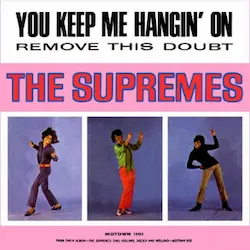
The Supremes’ You Keep Me Hanging On was a solid ‘60s girl group track - the female vocalist pushing back was a fresh touch, in the vein of contemporary Lesley Gore’s You Don’t Own Me. The backup “ooo-oo-oo-oo” vocals of Hanging keep the song dynamic. The tense instrumentation further ups the urgency.
For showcasing her updated sound, Wilde chose well to cover You Keep Me Hanging On, with two major twists. While in the original, the vocalist is pleading with her lover to change his neglectful colors, Kim has already had enough. She’s peeved, and sells that she’ll more likely dump her boyfriend than wait and see. Also important is the instrumentation. Wilde’s version keeps the urgency but injects a late ‘80s galloping synth. In fact, the bridge is one of the best synth workouts in new wave. And don’t miss the stylish video.
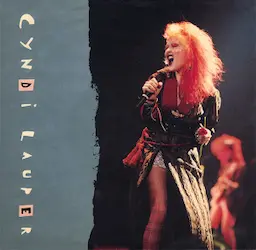
When You Were Mine (Cyndi Lauper vs Prince)
There are some legendary artists that are risky to cover (for example, Billy Idol's cover of the Velvet Underground's Heroin faltered). Prince is also in that boat. Sinead O’Connor’s Nothing Compares 2 U was executed greatly, but was less risky because it was handed to her by Prince (he did just a demo). Cyndi Lauper upped the ante by doing the already-released When You Were Mine… and came up 7s!
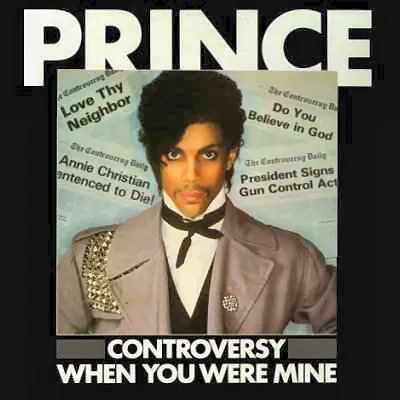
Prince released When You Were Mine in 1980. Now, the Purple One has laid down great tracks over the years… but this is not one of them. It’s cool and withheld, but also emotionally flat. Though I do like him doing his own backup vocals in a lower octave. The instrumentation (Farfisa-sounding synth and guitar) are well chosen but the execution falters.
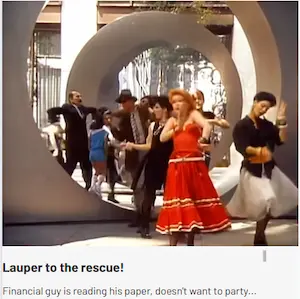
Lauper changes the emotional framing of When You Were Mine, playing to her vocal strength (passionate emotional vulnerability). Her band brightens the arrangement with chiming keyboards and crisp guitar, bringing out a melodic clarity that was muddled in the Prince mix. The highlight: the bridge, where she holds a note in falsetto followed by a Cyndi “yeah yeah yeah” stutter (think wounded and theatrical).
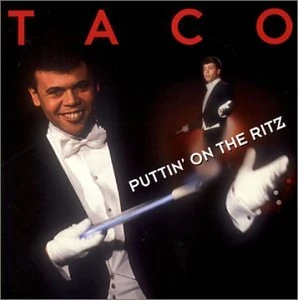
Puttin’ on the Ritz (Taco vs Irving Berlin)
New wave had its share of novelty songs that somehow dented the charts, including Dutch-based Taco’s ‘30s pastiche Puttin’ On The Ritz. But wait, that wasn’t just a novelty - turns out his debut album After Eight is mostly ‘20s and ‘30s covers given a synth-driven new wave treatment. And the other five songs were originals set meticulously in that style. In fact, I thought the title track was a cover until I realized he referenced tacos (in a brilliant double-entendre). He later branched out to other genres and made interesting style mashups ( Opera Rap anyone?).
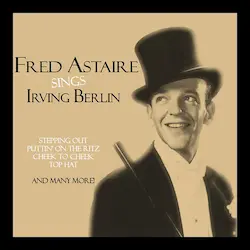
Irving Berlin’s 1929 version of Puttin’ on the Ritz is a jaunty, syncopated show tune built around his signature clever rhymes and a crisp, strutting rhythm. Originally written for vaudeville-style performance, it has a bright, theatrical bounce that captures the glamour and aspirational flair of late-’20s New York.
Sure, Taco’s Puttin’ On The Ritz is a great synth update of the Irving Berlin classic. But what elevates it is that it somehow preserves the ‘30s glamour look and feel of the original. Taco delivers the lyrics with a theatrical, lightly accented croon that channels old-world cabaret while still fitting comfortably into early-80s synthpop. The arrangement pulls its weight too: blending brassy synth stabs, tight electronic percussion, and a bouncing, almost tap-dance-like rhythm section that combines the best of the ‘30s and ‘80s.
The music video of course helps, with its tap dancing and Art Deco sets. This is more than the wink at the past it’s perceived as. It’s rather like Taco takes you to an alternate dimension where the ‘30s took place in the ‘80s. The music public took note: this maverick song managed a top-5 showing in much of the world.
Available in the Vault
Outro
New Wave was always more than a genre - it was an aesthetic impulse to rebuild pop history, not preserve it. These five covers weren’t just updates; they were reinventions, taking familiar melodies and bending them into something sharper, stranger, funnier, or more emotionally truthful.
From Flying Lizards turning Motown into a minimalist art prank to Kim Wilde flipping a ’60s plea into a defiant synth anthem, each of these artists found a new emotional center the originals didn’t explore. Cyndi Lauper added clarity, Bow Wow Wow added swagger, and Taco added glamour from an alternate timeline where Art Deco never went out of style.
Part of the fun of digging through new wave is realizing how many “iconic ’80s songs” started life in completely different decades and genres - and how boldly these artists claimed the material as their own. And with so many covers still left on the cutting-room floor, I can promise one thing: Part 3 is definitely coming.
A new one every month.
($8/month USD) Secure checkout with Gumroad

This Week on Synth and Swagger:
Artist Spotlight: Do the Bangles JangleOceania New Wave Song Commentaries (3 free, 6 vault)
Coming Thursday - New Wave Quick Hit