Synth and Swagger - Reflections in the Waves: How New Wavers Wrote About Each Other - and Themselves
About
Saved items

Synth & Swagger

Reflections in the Waves: How New Wavers Wrote About Each Other - and Themselves

From heartfelt tributes to biting shade and full-on self-mythologizing, these songs reveal how the New Wave generation turned their mirrors inward—sometimes lovingly, sometimes not.

Intro

Most of these songs weren’t recorded in the ’80s—but that’s part of the story. By the ’90s and beyond, new wavers had enough distance to start writing about their own mythology: their peers, their mentors, even their mirror images. Whether affectionate (Debbie), vengeful (Prince of Darkness), or self-absorbed (Egoist), each track shows how the genre that once thrived on image eventually began to question the reflections it had created.

Heroes and Heroines — Celebrating the Scene

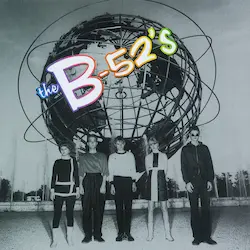
The B-52s - Debbie

The B-52s’ Debbie might have fallen under the radar—it was one of only two new tracks on their 1998 greatest hits compilation, arriving six years after Good Stuff and a decade before Funplex. Nevertheless, it’s a minor gem: a witty, affectionate love letter to Blondie frontwoman Debbie Harry and the downtown art-punk scene she helped define. The lyrics strike just the right balance, respectfully toning down the band’s usual zaniness (as heard in Hallucinating Pluto) while keeping their trademark charm. Standouts like “shell-shocked supersonic blonde” and “Debbie’s comin’ in for a landing” feel like vivid pop-art portraits. Sonically, the hooks are subtle but magnetic—the melody glides with an easy warmth, recalling the smoother side of Good Stuff or the later Juliet of the Spirits.

Debbie
The B-52s
Play on Spotify

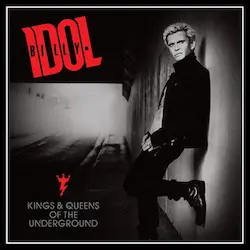
Billy Idol - Kings and Queens of the Underground

Though it arrived much later (2014), Billy Idol waxes nostalgic on the title track to Kings and Queens of the Underground, an homage to himself and the punk/New Wave scene of the late ’70s that shaped him and his defiant spirit. Eyes Without a Face showcased Idol’s vocal versatility, and Kings and Queens is another striking example. His voice carries intentional weariness but also quiet satisfaction, like he’s pausing after a long, hard-won race, looking back at chaos turned into glory. The lyrical callbacks to the Sex Pistols, Generation X (his old band), and his own image are pure gold, weaving myth and memory together. In the chorus, Idol drives home the point: he and his peers helped channel punk’s subversiveness into chart-topping success. The instrumentation is sparse but elegant—acoustic guitars shimmer Stairway to Heaven–style beneath the song’s reflective glow and sense of earned legacy.

Kings & Queens Of The Underground
Billy Idol
Play on Spotify

The Past’s So Bright I Gotta Throw Shade

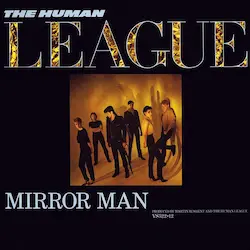
Human League - Mirror Man

Frontman Phil Oakey of The Human League was a fan of Adam Ant, but in making “Mirror Man” he uses him as a cautionary tale about fame’s seductive pull. The pivotal line — “You know I’ll change / If change is what you require” — nods to Ant’s ever-shifting visual and sonic palette. After all, Ant went from post-punk angst to Burundi beats to mariachi-tinged songs to sly string arrangements, reinventing himself with every spotlight. Fittingly, the League themselves were shifting styles here: Mirror Man borrows its bounce from Motown, a bold left turn after the cool futurism of Dare. Cathrall and Sulley’s “oo-oo-oo-oo” backing gives it Supremes flair, while Oakey warns of losing one’s identity to constant reinvention — the pop star’s eternal trap. And it turns out Ant didn’t follow Oakey’s advice, continuing his chameleon-like ways long after the mirror cracked.

Mirror Man
Human League
Play on Spotify

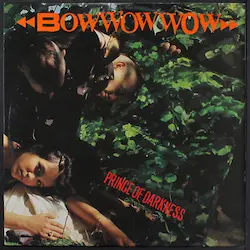
Bow Wow Wow - Prince of Darkness

If you are a fan of the Ants’ Kings of the Wild Frontier album you’ll dig Bow Wow Wow’s Prince of Darkness - the Burundi Beat is alive, along with Annabelle Lwin’s theatrical vocals (with solid backup). Prince of Darkness moves along briskly - done in two minutes and change. In a nod to Snow White, Lwin asks a magic mirror (what’s up with mirrors, anyway?) who’s the fairest of them all (spoiler alert: it's her). Then she’s asks who’s the most evil - the mirror answers with Satan. Prosaic enough -it’s a fun song after all. But flash forward two years and its meaning morphs - the band mentioned to the press it was about none other than Sex Pistols manager Malcolm McLaren. Though Lwin was a short-term beneficiary of McLaren’s 1980 Ant-theft, the newly formed Bow Wow Wow quickly resented McLaren’s Svengali-like control over their finances and day-to-day. So while some new waver-to-new wavers songs were cautionary tales, others were quite the opposite - with the comparisons sometimes becoming devilish.

Prince Of Darkness
Bow Wow Wow
Play on Spotify

Me, Myself and I - The Rock Persona Looks Back

Duran Duran - First Impression

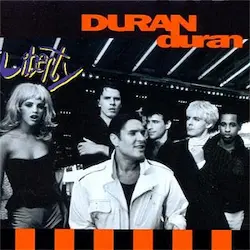
While Duran Duran’s 1990 effort Liberty wasn’t given a lot of love, it was eclectic and there are some standout tracks. One of which is an ode to bassist John Taylor, First Impression. In line with the Liberty album, Duran Duran tries something different with First Impression - it has an arena rock feel, like some of the Power Station vibe rubbed off on John and Andy. This is one of vocalist LeBon’s most intense tracks - he often cranks it up to 11 in bursts for emphasis, but here it’s almost the whole track. The lyrics are also uplifting - “little Johnny from the back streets of the UK” is a thoughtful nod to the working class suburb of Birmingham where he grew up. John Taylor was quiet and bookish as a kid, but loved the glamor of Bowie, Roxy Music and T-Rex. So First Impression is about him coming out of his shell. Fueled with Bowie and friends, Taylor is realizing his potential. It’s not easy: his resilience and seizing opportunity are highlighted in the song, but in the end he came out on top.

First Impression
Duran Duran
Play on Spotify

Falco - Egoist

Yes, I’ve gone to the Falco well a few times already, but when it comes to self-referential New Wave, he’s hard to beat. Falco Rides Again had him vowing not to rest on his laurels after Rock Me Amadeus, but the real winner is Egoist. The chorus (“the whole world revolves around me”) says it all, with lines like “I’ve put a mirror above my bed” driving it home. Its catchy singalong hook seals the deal. For years, Falco’s ego drew media scorn, much to his chagrin, but Egoist flips the joke by overloading it with cartoonish bravado. Falco died in a car accident three weeks before its release, but longtime collaborator Rudi Dolezal remixed the track and directed a video that, he said, “tried to make it as Falco would want it.” The remix replaces the original strings and synths with a monstrous guitar riff to match the song’s swagger. The video is gloriously over the top: a mad rush on Vienna’s streets as fans chase down the city’s hottest CD — Egoist, naturally — while a DJ spins and everyone dances.

Egoist
Falco
Play on Spotify

Outro

Together, these songs trace a full new wave lifecycle—from the thrill of community to the hangover of fame to the wry acceptance of self-caricature. What began as a movement obsessed with artifice and reinvention ultimately became one of pop’s most self-aware eras. Even decades later, these artists were still dancing with their own reflections—proving that in New Wave, the mirror never really stops talking back.