




Intro
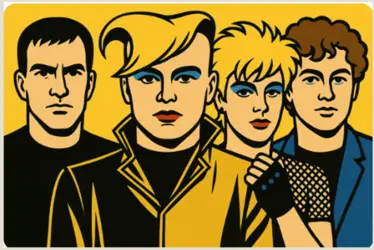
Recent technology like smartphones and social media are implicated in increased feelings of alienation and human disconnect. While it may be more intense than the past, this angst has been expressed since at least the invention of the railroad and telegraph in the early 1800s. New wave music, with its penchant for electronic sounds and transparency, documented these struggles with 20th century tech. In these songs, technology doesn’t just reflect alienation - it structures it. Here are five poignant examples, with different tech the culprit in each. Not surprisingly, the synthpop branch of new wave rules the roost here.
Enclosure (Cars)
Gary Numan is the godfather of both synthpop and technology run amok. For example, Down in the Park detailed the killing spree of a robot squad with eerie detachment. But for personal impact Cars is the hands-down winner. The fast, squirming insect-like intro synth immediately unsettles listeners. But Numan goes for accessibility with a hook-laden melody. Numan’s vocals are perfect for expressing human detachment with a hint of vulnerability. And while the one-minute-plus outro is a cool synth workout (and an awkward karaoke moment), it also serves as the ultimate symbol of detachment: Numan’s character literally gives up talking, thanks to cars.
The music is piggybacked by blunt lyrics for maximum impact. The narrator’s car has become not just his mode of transportation, but also an extension of his nervous system and an exoskeleton. He feels safest in it because it helps shut everyone out when encountering vulnerability or interpersonal friction. While this has an immediate benefit, it’s clear this not a good long-term strategy. It’s not all doom though - the narrator starts to see the error of his ways and longs for human connection. And he finally realizes that “it’s not alright in cars”. All of these elements combined to give Numan a top-10 hit in many countries. Here's more about Numan's Cars

Addiction (Computer Games)
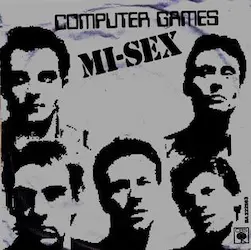
The big three new wave bands in Oceania (Split Enz, Men at Work, INXS) delivered a solid blend of quirky art and pub rock. But Mi-Sex was a synthy Kiwi counterpart to them, and was much better suited to discuss technology with Computer Games. The melody and vocals are upbeat, propulsive and hook you right away. Just like an addictive computer game, and that’s the point. Sound effects from real late ‘70s arcade games buttress this. The drums and synths are rigid and dry, in line with the song’s focus on computer-style callousness. There’s a repeated synth counter-riff that exudes sleaze, letting the listener know this is a critique track. In the chorus, vocalist Steve Gilpin rapid-fire repeats the “put” in “Computer Games” to mimic the speed of a computer when cranking numbers.
In Games, Gilpin plays the role of a computer operator, spelling out and anxious about the dehumanizing effects of this technology. A telling line is “Get a message to my mother, what number would she be?”, reducing familial intimacy to a user ID and text. The language of emotion is supplanted by the language of data. Is the computer the operator’s companion, or master?
Screening (Answering Service)
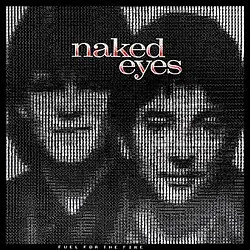
The telephone was a tool used in many new wave and other songs in the ‘70s and ‘80s. Blondie's Hanging On The Telephone is a prime example. But these songs are usually positive, and/or the phone is nothing but a prop. But with Naked Eyes’ Answering Service, it’s not the phone but the relatively-new answering machine that allows the narrator’s crush to ice him out right out of the gate. This device can flip the script of telephone being a synchronous device, which his crush uses to full effect to control the narrative. Her rejection of vocalist Peter Byrne isn’t personal, it’s automated. Byrne laments this, and out of frustration sarcastically marvels at the stereo sound of her voice. The lyrics become repetitive but that’s the point, and I can’t help but picture Sisyphus repeatedly trying to get the boulder up the hill without it rolling right back down. An underrated quality about Naked Eyes is adjusting their synth timbre to match the particular song. For instance, the lush buoyancy of Always Something There, and the uneasiness of In the Name of Love. Answering Service answers in kind with a mechanical and sterile sound.
Remote Signal (Telecommunication)
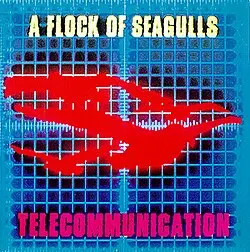
A Flock of Seagulls sonically had communal dance inclinations. But their themes were anything but: whether adamantly avoiding a crush (I Ran), or marveling at the vastness of the cosmos (Space Age Love Song). Telecommunication does double duty. On the surface, Telecommunication’s lyrics describe radio as having a connecting effect, which is how the world must have felt in the 1920s when it became big. But a closer lyrical study, and especially the sonics and vocals, suggest it’s having the opposite effect.
Telecommunication has Flock’s signature echo-heavy production, which gives a sense of geographical and emotional distance. The looping aspect of the music and repeat of the word “telecommunication” help too, mirroring signal transmission. And Mike Score’s vocals are tailor-made for this song: alluring but devoid of inflection. Space Age Love Song does all this to some extent but Score’s a bit more vocally dynamic and the lyrics are warmer. Telecommunication promises connection with its strong signal but delivers abstraction sans intimacy, another clever curveball from A Flock of Seagulls.
Broadcast Identity (Television Man)
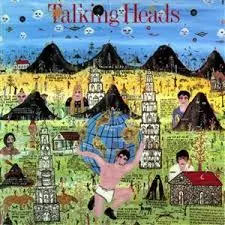
I love the synth-heavy aspect of new wave, but other new wave fans prefer more natural instrumentation. Talking Heads is a good example, as they emphasize guitars and groove. And they had quite a few songs about alienation that’s usually the province of synthpop.
By the time Television Man came out, Talking Heads had shelved their polyrhythms for a more melodic sound. While not as musically adventurous, Talking Heads take advantage of this: it allows their sharpened social commentary to better pierce the melody. Television Man is a sonic cousin to its album’s biggest hit And She Was, with the media-as-vapid-vessel theme also covered by Money for Nothing. While Television Man and Money both detail the darkly influential effect of TV, Television Man has a more vivid first-person perspective: the narrator admits he loves television but also thinks it loves him back. But the repeated line “the world crashes into my living room” betrays the fact that he’s actually subservient. Even worse, the narrator has become a spectator to his own life as the media has shaped and flattened his identity. Is he watching TV or is TV watching him? The medium doesn’t just reflect his life… it curates and constrains it.
Available in the Vault
Outro
In each of these songs, technology doesn’t merely appear as backdrop: it intervenes. Cars become exoskeletons, games become behavioral traps, answering machines become gatekeepers, radio becomes distance, and television becomes identity. New wave didn’t predict smartphones or social media, but it rehearsed the emotional choreography of living through devices long before touchscreens existed. The circuitry may have changed, but the tension between connection and insulation remains strikingly familiar. And quietly unresolved.A new one every month.
($8/month USD) Secure checkout with Gumroad

This Week on Synth and Swagger:
Just Released: Beyond New Wave: Pet Shop Boys and Erasure - Immediate FollowersThursday: New Wave Quick Hit
Friday: Playlist of the Week