


Intro
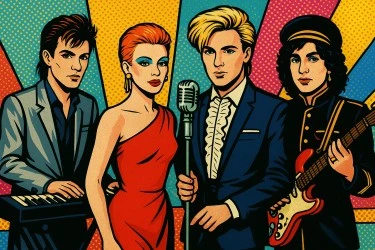
New wave wasn’t one sound—it was a movement. It turned post-punk attitude into pop hooks, fashion statements, and reinvention. But inside that movement, clear archetypes emerged. This article breaks the era into three of its most defining personas- Power Pop & Skinny Tie Brigade
- Art-Pop Eccentrics
- New Romantic Synthpop Stars
"The Eccentrics thrived on dissonance - the groove could be catchy but the lyrics were surreal or disjointed."
The Power Pop and Skinny Tie Brigade
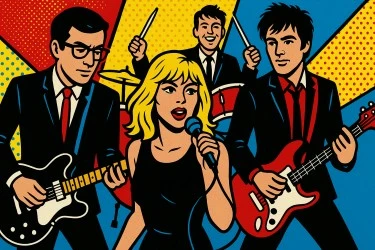
This is the most mainstream of the three archetypes and is the closest to the punk style new wave came from. Indeed, in the late ‘70s it was a great alternative to the monotony and sloppiness of punk thanks to tuneful melodies and oldies pop hooks. Guitar riffs were tightened and punchy. It’s also the most commercially accessible of the three. The Brigade were light on the synths: the Cars used them mostly for flourish, while Elvis Costello almost never did. Guitars took the lead, with punch riffs, power chords and jangly textures that would make bands like Cheap Trick blush. As it still had a foot in punk and the oldies, songs were the shortest of the archetypes, often clocking in at under three minutes. While the Brigade shared lyrical wit and irony with the Eccentrics and New Romantic Synthpoppers, the Brigade went straight for the heart and mostly avoided detachment.
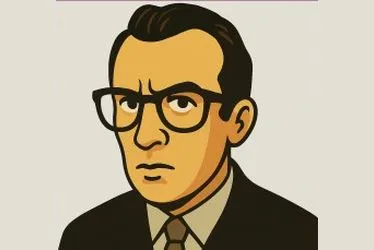
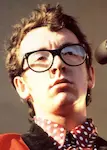
As for aesthetics, retro-modern ‘60s fashion was the way to go, to match the music. In contrast to punk rockers, the Brigade were well-dressed, favoring sharp suits. The nerdy look was favored - Elvis Costello had his trademark thick glasses. Because the Brigade peaked earlier and placed less emphasis on visuals than the other archetypes, their music videos are the simplest. Narratives were mostly eschewed in favor of the band playing and exuding charisma.
Great for: classic rock fans who want to dip their toes in new wave. Fans of Weezer (Ocasek produced Weezer's debut), the Strokes, the Paranoid Style.
Elvis Costello
Elvis Costello was the poster child for new wave’s “Angry Young Man” persona, with Joe Jackson not far behind. His songs were among the best examples of punk being tweaked for radio-readiness, with 1978's Pump it Up leading the way. He rejected punk’s nihilism in favor of emotional nuance.
There was no question Costello was a music craftsman. For example, with its restrained melody and aching lyrics, Alison flips the breakup ballad on its head - Costello delivers tenderness laced with resentment, never quite revealing whether he's heartbroken or quietly seething. Costello's lyrics blend romantic angst, class tension, and barbed wit—his narrators often ache, accuse, or overthink, capturing the emotional chaos beneath the surface of post-punk cool.
Like contemporaries Squeeze and Nick Lowe, vocals were often urgent but not off the rails. And like Blondie and the Cars, he borrowed from the ‘60s British mod music and aesthetic, dusting off that Farfisa organ for your listening enjoyment! To critics and college kids alike, Costello was punk’s brainy cousin - a furious romantic with a thesaurus, turning heartbreak and bitterness into something hooky, literate, and weirdly stylish.
The Art-Pop Eccentrics
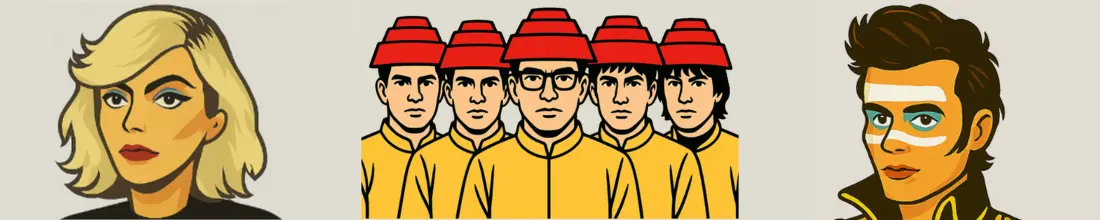
On the flip side to the Brigade are the Art-Pop Eccentrics, who were definitely more avant-garde. Its members didn’t chart as well, especially with singles: even their patron saint, the Talking Heads, only had 3 top-40 US hits. The Eccentrics didn’t sand down punk’s rough edges but they certainly threw their machismo and simple song structures out the window.
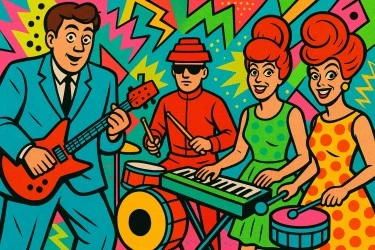
As their name implies, the eccentrics were much more experimental than the Brigade - with offbeat rhythms, angular guitars, and funk and other undercurrents. They thrived on dissonance - the groove could be catchy but the lyrics were surreal or disjointed. The eccentrics kept you guessing with cryptic and absurd lyrics. Even when they weren’t, you had to figure out if they were being sarcastic. Also, a lot of them alternated between the danceable and disorienting - sometimes in the same song! The vocals were certainly less melodic. Sometimes there was yelping (think David Byrne, Fred Schneider or Devo's Mark Mothersbaugh). It’s no accident that two alums - Danny Elfman and Mark Mothersbaugh - went on to score movie soundtracks.
The eccentrics were frequent visitors to thrift stores to supplement their geeky, theatrical or even alien personas. They leaned much more heavily on tours and music videos to promote their oddness. Videos like Once in a Lifetime have the dime-store production rigor of the Brigade, but told a much more interesting story. The Brigade was to the Munsters as the Eccentrics were to the Addams Family.
Great for: those who like quirk in lyrics, sound and visuals. Cibo Matto, Franz Ferdinand, Twin Tribes
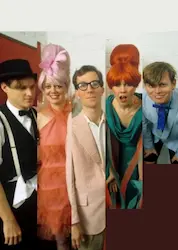
The B-52s
Like many other eccentrics, the B-52s were a 'there's no one quite like them' band. While Devo leaned on the absurd and Oingo Boingo the macabre, the B-52s were your go-to for a sci-fi and surf, both from a ‘60s lens. Dual female vocals in the form of Kate Pierson and Cindy Wilson harkened back to ‘60s girl groups with their tight harmonies, contrasting well with Fred Schneider’s with his sing-shouting curveballs. The music followed suit, cranking up the unpredictability and chaos to 11. Their breakout single, Rock Lobster, was unconventional even by early new wave standards. You may think there’s not much in common with Costello, but there’s that Farfisa organ again! Lyrically, there was the absurdity, but usually wrapped in charm and joy. For example, there’s not too many songs about a shark eating your lover, and it actually doesn’t sound depressing.
And like the Talking Heads, their dimestore music videos punched well above their weight in visual impact. And with most of the original members being LGB and their inclusive themes, they were revered in the LGBTQ community.
The New Romantic Synthpop Stars
The New Romantic Synthpoppers, like the Eccentrics, had avant-garde tendencies, but in a different way. They peaked later than the other two (early to mid ‘80s), with Duran Duran leading the charge. I’d argue it’s the furthest from punk because of the time difference and styles that they drew from.
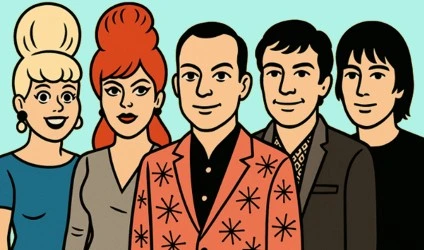
They were influenced the most by Bowie, Kraftwerk and disco. The result: synth city. The vocals varied widely in emotion: Singers like Simon LeBon and Tony Hadley loved it, while Phillip Oakey, David Gahan, and Martin Gore shunned emotion. Lyrics went the same way, whether it went straight for the heart like the Brigade (Hungry Like the Wolf) or embraced the irony and detachment of the Eccentrics (Numan's Cars). Regardless, this music was built for the dancefloor. That meant clean production and programmed beats.
While the New Romantic Synthpoppers shared the emphasis on visuals and showmanship with the Eccentrics, they traded weird for glam. Makeup, pirate shirts, tailored suits and big hair were all on the table. Androgyny was the biggest with the Synthpoppers, whether it be by Boy George or Annie Lennox. They were the best with videos - combining Brigade charisma, Eccentric narratives, and Jedi-level production. The fledgling MTV thrived on these! Most of the videos in my New Wave Music Videos article were from this archetype and that’s no accident.
Great for: fans of electronica and other synth-heavy styles. No Doubt, the Bravery, Scandroid
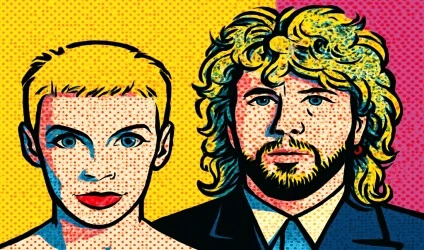
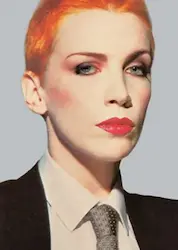
Eurythmics
Eurythmics embraced the New Romantic Synthpop archetype the most because they successfully straddled the line between fire and ice that I outlined earlier.
After a shaky debut, Dave Stewart tightened his icy synths and Lennox unleashed her soulful vocal style that we all love. They play off each other terrifically. Songs like Sweet Dreams have the futurism of Visage and Gary Numan, but are not devoid of emotion. Even the violin-sounding synth in the intro establishes this. The lyrics touch on both love and alienation (in the case of Who’s That Girl?, both!). While they had an avant-garde bend, Eurythmics still racked up multiple hits. Annie Lennox and Dave Stewart embraced the glam look of the New Romantics, like Adam and the Ants and Duran Duran. Like Boy George, Annie Lennox went for a visually distinct form of androgyny.
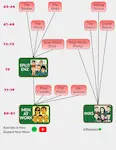
⇩ Eurythmics Song Commentaries Available in the Vault
Outro
New wave’s diversity was its strength—melding punk attitude, pop craft, art-school experimentation, and visual excess into a vibrant whole. The Brigade, the Eccentrics, and the Synthpoppers each gave fans a different way to connect: through hooks, quirks, or pure spectacle. Whether you preferred snarling wit, danceable weirdness, or synth-laden glam, these archetypes offered something enduring. And as modern artists continue to echo their sounds, it’s clear new wave never really ended - it just evolved.
Like this article? The Vault has bonus writeups on five articles.
A new one every month.
($8/month USD) Secure checkout with Gumroad