




Intro
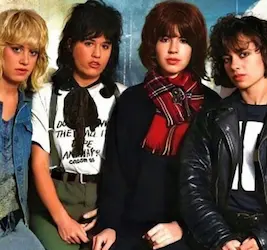
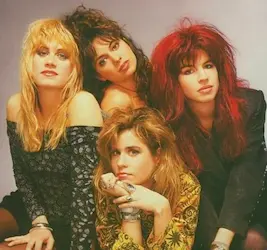
The Bangles proved themselves as hitmakers in the ‘80s rock landscape. But beyond that, they brought a different, Paisley Underground (not Paisley Park) sound to the new wave landscape. While the Go-Gos soaked in the LA punk scene for their sound, the Bangles went back to the 60s and looked to LA folk rockers like the Byrds and Buffalo Springfield. They were the rare new wave act that peaked in the late 80s.(Not) All Over the Place
Despite it’s title, the Bangles’ debut All Over the Place shows them already with a focused, ensemble sound and tight arrangements. It draws heavily on LA folk (think the Mamas and the Papas) and fellow Angelenos the Beach Boys. Also: a splash of Blondie, the Go-Gos and the Beatles.Hero Takes a Fall
For casual fans who just know the Bangles’ later hits, Hero Takes a Fall has a different tone (despite vocal and sonic similarities). It’s a satisfying (and timeless) tale of a cult-of-personality figure’s fall from grace. Vicki Peterson’s guitars take her Byrds-style guitars and weaponizes them through distortion and angular riffs right from the intro. And in new wave fashion, rather than folk rock, the Bangles keep moving things at a quick pace. Indeed, Hero clocks in under three minutes. Susanna joins the fray on vocals, somehow spitting venom and chronicling the comeuppance while keeping her easy-going, inflection-rich style. While Hoffs’ character wasn’t involved in the downfall, you can hear flickers of glee break through just enough. And the harmonies are stacked, giving Hoffs pushes at just the right time with figurative “uh-huh” and “that’s right” moments.Going Down to Liverpool
Showing range within All Over the Place, Going Down to Liverpool takes a different sonic approach to the biting hero Takes a Fall. It has similarities to REM, especially Shiny Happy People: think Debbi Peterson’s subbing-in with easy-breezy vocals with Hoffs’ reliable, agreeable backup (recalling Athens alums Stipe and Pierson). Vicki’s jangly guitars also serve to effectively deliver writer Kimberley Rew’s irony. The carefree, upbeat sonics doesn’t mean the Bangles have pulled their punches, but rather belie the bleak picture painted of Liverpool, with its unemployment lines and lack of bustle. Susanna herself admits she’s stagnating, with lines like “all the days of my life” and has nothing holding her down in the city. There’s limited optimism: Debbi Peterson’s character is realizing a change is needed, but the sunny ‘60s LA chill vibe of Liverpool gives me doubt it’ll actually happen.The Bangles

Play
Hero Takes a Fall
Play
Going Down to Liverpool
Different Light, Different Bangles
For the Bangles’ follow-up Different Light, they adjusted towards a mainstream, mid-80s new wave sound due to producer David Kahne adding synths and glossy techniques to the mix. And while Different Light offers more hooks and the edges are sanded down some, it still has that definitive Bangles sound, making it a decent middle ground between scoring hits and keeping to a core sound.Manic Monday
Manic Monday is a great showcase for the retooled Bangles. Prince (yes, Paisley Park) wrote and demoed it. Admiring the Bangles, he offered it to them (ok, after Appolonia turned it down). Prince’s demo was piano-driven, which carries over to the Bangles’ final product. But it’s a serviceably stand-in for the guitars and plays nice with the drums and vocals. And despite the title, Manic Monday is like a chill pill - in the chorus, Susanna sounds weary of the Monday cycle, but also gives off an “oh, well” vibe, rivalling Alanis Morisette’s Ironic. And her sunny vocals makes the Monday medicine go down - certainly better than the Boomtown Rats’ I Don’t Like Mondays. Thans to this formula, Manic Monday was an almost-juggernaut in the US, denied the #1 slot by… Prince’s Kiss!Walk Like an Egyptian
Becoming experts at folding others’ visions into their own sound, Walk Like an Egyptian was their biggest challenge yet: when producer David Kahne gave them the demo, they straight-up said it was nothing like their style. But, faux-Egyptian hooks aside, they made it work. For one, their tambourine (a folk-rock staple) is an essential part of the rhythm (in the video, it almost steals the show from the Statue of Liberty striking an Egyptian pose). Their whistling also adds to the organic quality of Egyptian. The guitars and rhythm are a bit faster than even Hero Takes a Fall. Hoffs doesn’t fight the rhythm, opting for a brisk, declarative style. But it doesn’t at all sound forced or aggressive. And even with its oddball premise (keeping your balance on a boat), the Bangles sell it with the “way-o way-o” vocal hook.The Bangles
Play
Walk Like an Egyptian
Play
Manic Monday
Putting Everything Together
While Different Light was a wild success for the Bangles, they wanted to fold back in edgier elements of their debut. They looked across the country to Queens’ own folk rockers Simon and Garfunkel for their edgy cover of Hazy Shade of Winter. This was a prelude to Everything, which pieces it all together.In Your Room
In Your Room is a new wave and pop delight, but also an excellent reconciliation of their early jangly sound and later pop sensibilities. It also nods to the ‘60s but at different angles. It has a fast, steady rhythm, recalling the ‘60s (not ‘80s) garage-rock workout of Mony Mony. The guitars are angular and muscular like in Hero Takes a Fall. But In Your Room takes a page from Different Light by having them propel the narrator, rather than attack its subject. Susanna’s effortless, innocent vocals reinforce this and her penchant for inflection help give it pop sheen. But the Bangles didn’t lose their sense of irony: while it’s a song about being lovestruck, reflecting its effervescent, pining sonic quality, there’s also a strong sexual element to it (yes, more than Berlin’s Sex). Finally, the outro has an avant-garde, latter-Beatles quality to it.Eternal Flame
Now Eternal Flame deserves a place in the pantheon of 80s showstopping ballads you break out the lighters for. That being said, it doesn’t fall into the sappiness trap, and sounds more authentic to the Bangles’ core sound than a lot of the others (especially when Moroder’s lurking around). Sure, Eternal Flame’s lyrics aren’t Moby Dick-level, but their simplicity and directness deliver the message in spades. It makes it tempting to go full-diva on Eternal Flame, but Hoffs shows excellent restraint and delivers just as always, earning it an earnest vulnerability. Stacked harmonies deftly fill in any gaps, making it a complete pleasure. And the instrumentation? It gets dramatic, but in limited doses, and actually gets overshadowed by Debbi Peterson’s whisper-soft drums and of course the triangle dings, courtesy of folk rock.The Bangles
Play
In Your Room
Play
Eternal Flame
Available in the Vault
Outro
The Bangles were never really all over the place. Their debut established a remarkably focused blend of ’60s folk-rock, jangly guitars and sharp harmonies. Different Light appropriately showed them from another angle, stretching that sound toward glossy mainstream pop without erasing it. And by Everything, those two versions of the band had largely reconciled. The Bangles’ greatest trick wasn’t changing with the decade. It was expanding without completely losing the band they started as.A new one every month.
($8/month USD) Secure checkout with Gumroad

This Week on Synth and Swagger:
Just released - Artist Spotlight: Do the Bangles JangleWednesday - Vault - Oceania New Wave Song Commentaries
Thursday - New Wave Quick Hit